Where this storyline stands
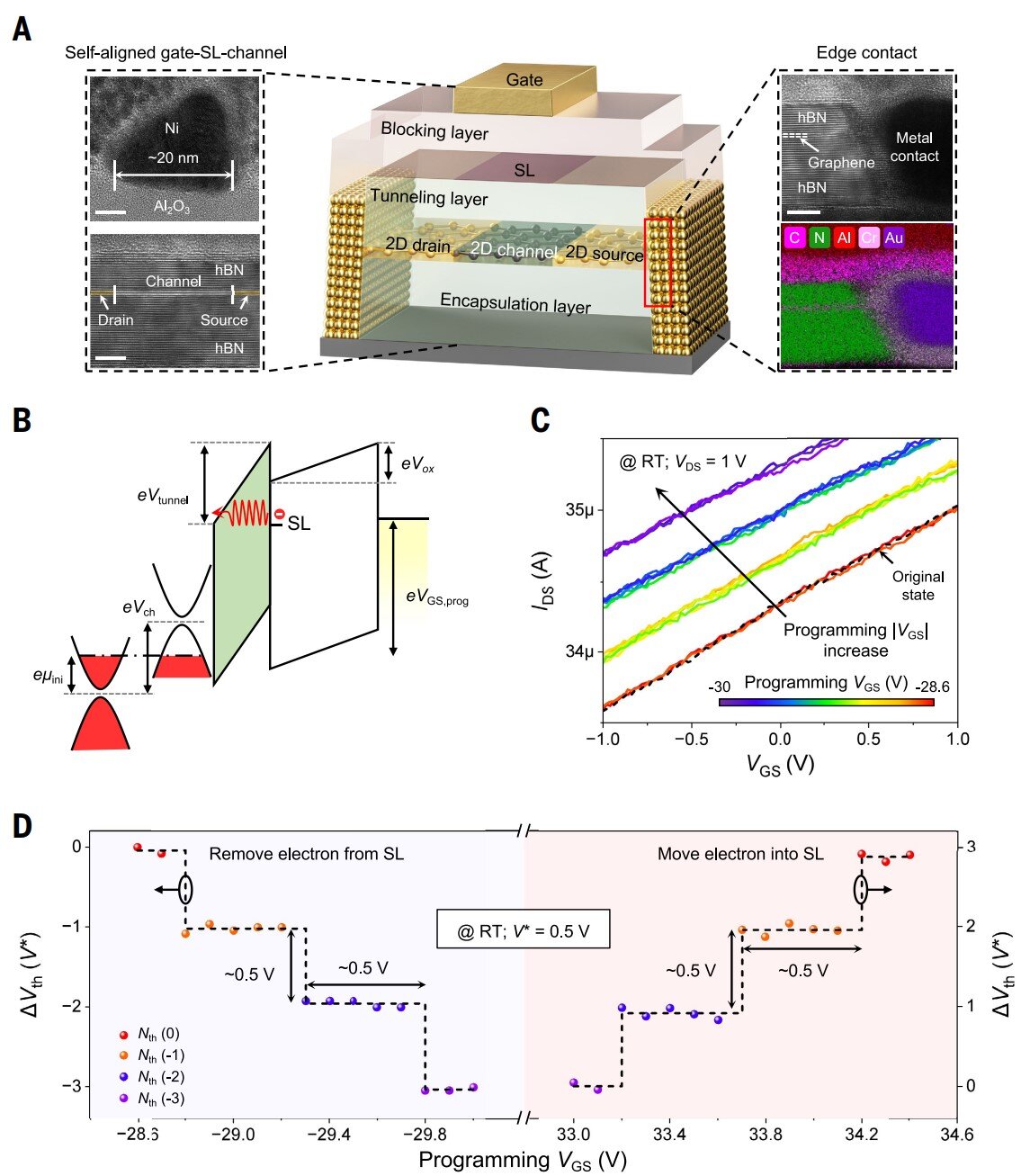
Most electronic memory storage devices require the ability to trap large numbers of electrons for each bit of memory. In an ideal world, however, it would take only one electron. This would reduce space requirements and power consumption for devices. Now, a team in China has realized this goal with an ultrathin device capable of minimizing the stray capacitance that plagued earlier attempts. The new study, published
Complete chronological journey
Every chapter below is ordered by its exact event time, from the earliest connected report to the newest development.
- 01How it started01 — How it started
2D quantum memory device reaches single-electron limit of information storage
What happened
Most electronic memory storage devices require the ability to trap large numbers of electrons for each bit of memory. In an ideal world, however, it would take only one electron. This would reduce space requirements and power consumption for devices. Now, a te 2D quantum memory device reaches single-electron limit of information storage
Why it matters
The development may affect how technology is built, regulated or used. The practical impact depends on technical details, availability and independent evaluation.
SourcesPhys.orgphys.orgRead the connected article →