Where this storyline stands
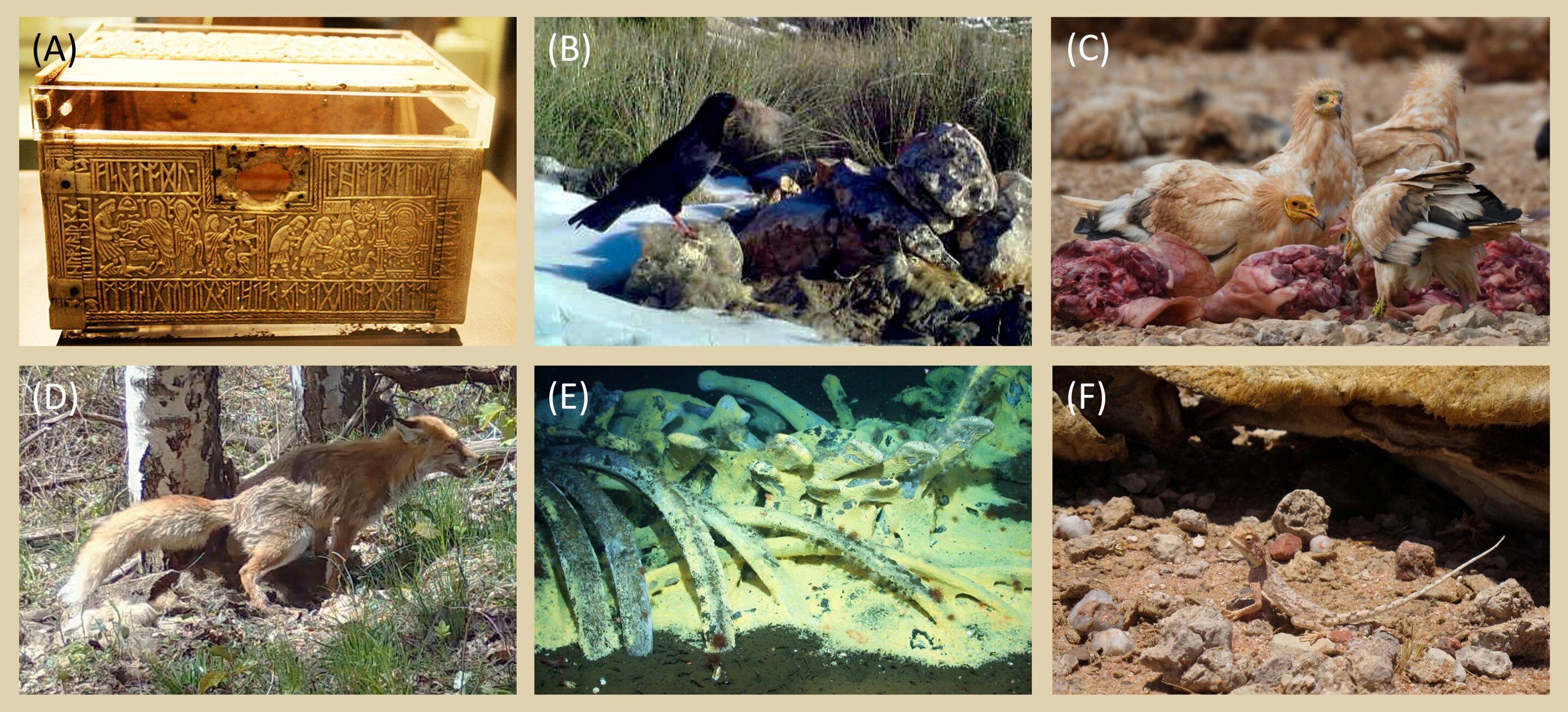
What happens after death? An international study led by the University of Granada (UGR), involving Ana Mateos and Jesús Rodríguez, researchers at the Centro Nacional de Investigación sobre la Evolución Humana (CENIEH), argues that this question, long overlooked by ecology, can help us understand a wide range of processes and offer new perspectives across different disciplines.
Complete chronological journey
Every chapter below is ordered by its exact event time, from the earliest connected report to the newest development.
- 01How it started01 — How it started
Carrion emerges as a key force shaping ecosystems, disease and human evolution
What happened
What happens after death? An international study led by the University of Granada (UGR), involving Ana Mateos and Jesús Rodríguez, researchers at the Centro Nacional de Investigación sobre la Evolución Humana (CENIEH), argues that this question, long overlooke Carrion emerges as a key force shaping ecosystems, disease and human evolution
Why it matters
The development may affect how technology is built, regulated or used. The practical impact depends on technical details, availability and independent evaluation.
SourcesPhys.orgphys.orgRead the connected article →